
Domestic · Rendering
House rendering in Ipswich
Render protects your outside walls and changes how the whole house looks. We help homeowners choose a render that suits the wall underneath, repair what’s there where that makes sense, and agree the finish and colour before anything goes on.
When it’s the right choice
- Tired, cracked or patched render you want replaced
- Brick or block walls you’d like rendered
- Extensions that need to match the existing house
- Render that’s blown, hollow or coming away
- Older properties where a breathable lime render is more suitable
Render options
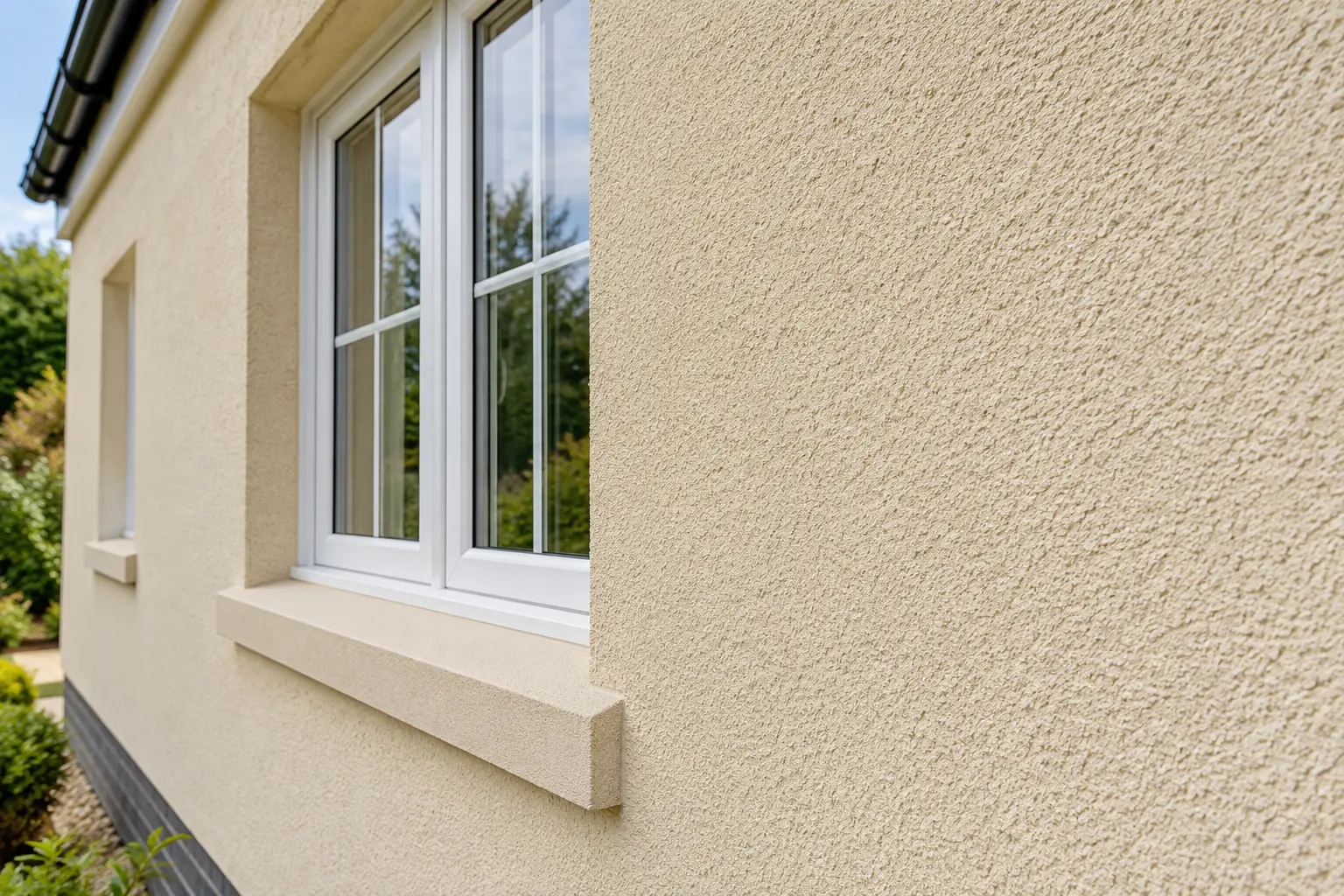
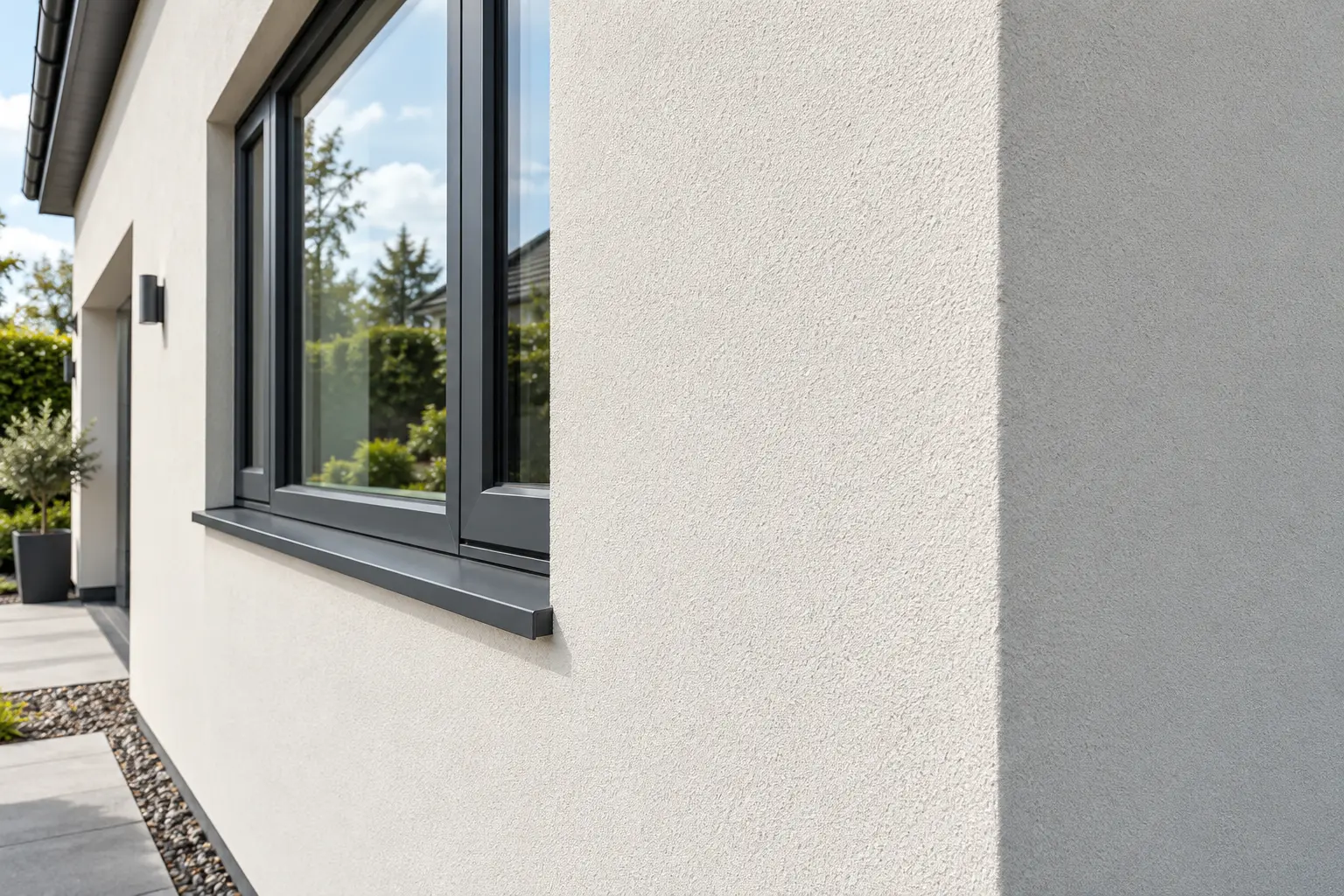
- Silicone render
- A thin, textured finish over a compatible base-coat system. Through-coloured options can avoid an initial paint coat, but appearance and aftercare depend on the chosen product and exposure.
- Monocouche render
- A one-coat, through-coloured render applied in a thicker layer and scraped back to a textured finish.
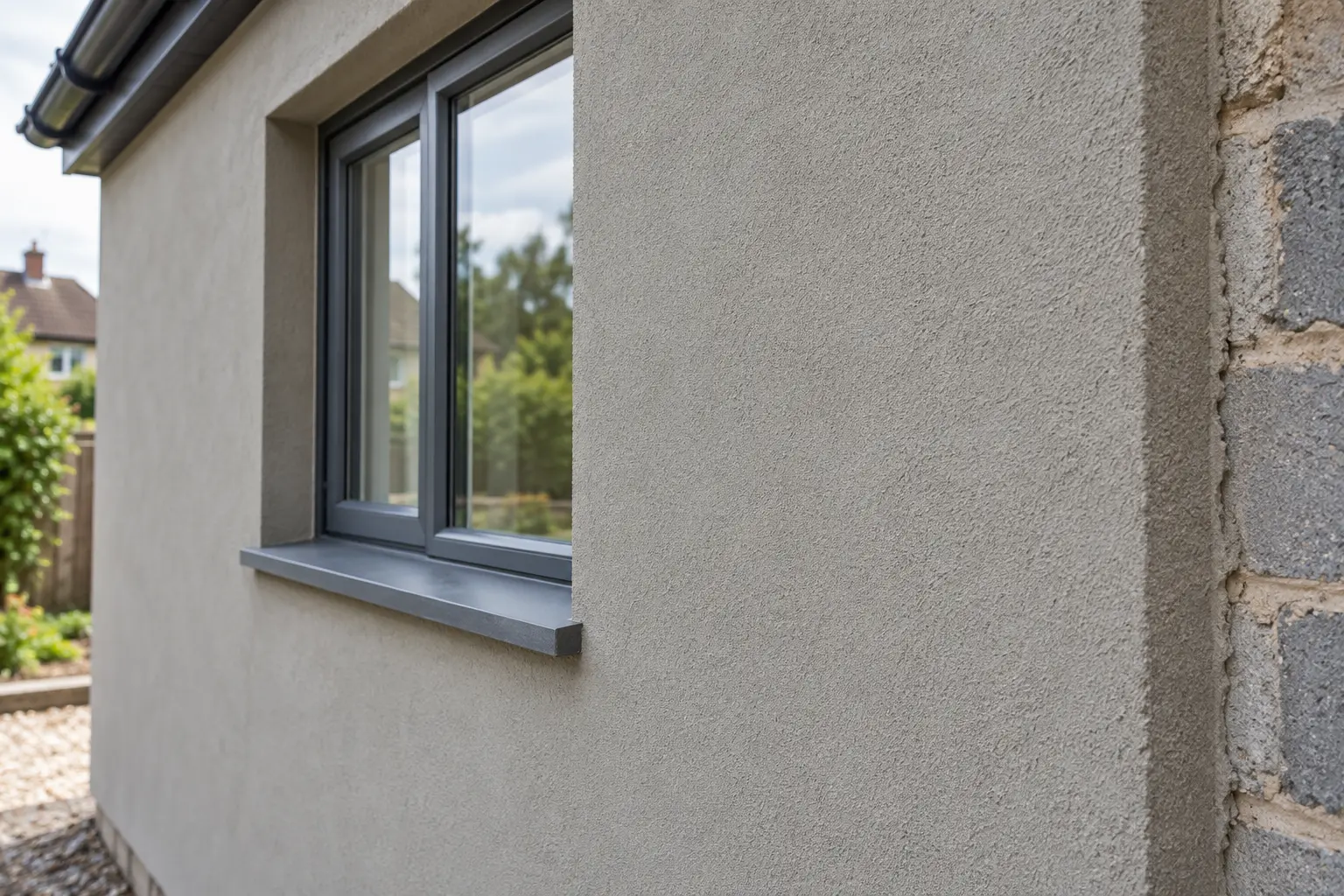
- Sand and cement render
- The traditional option, usually painted afterwards. It suits many modern block and brick walls.
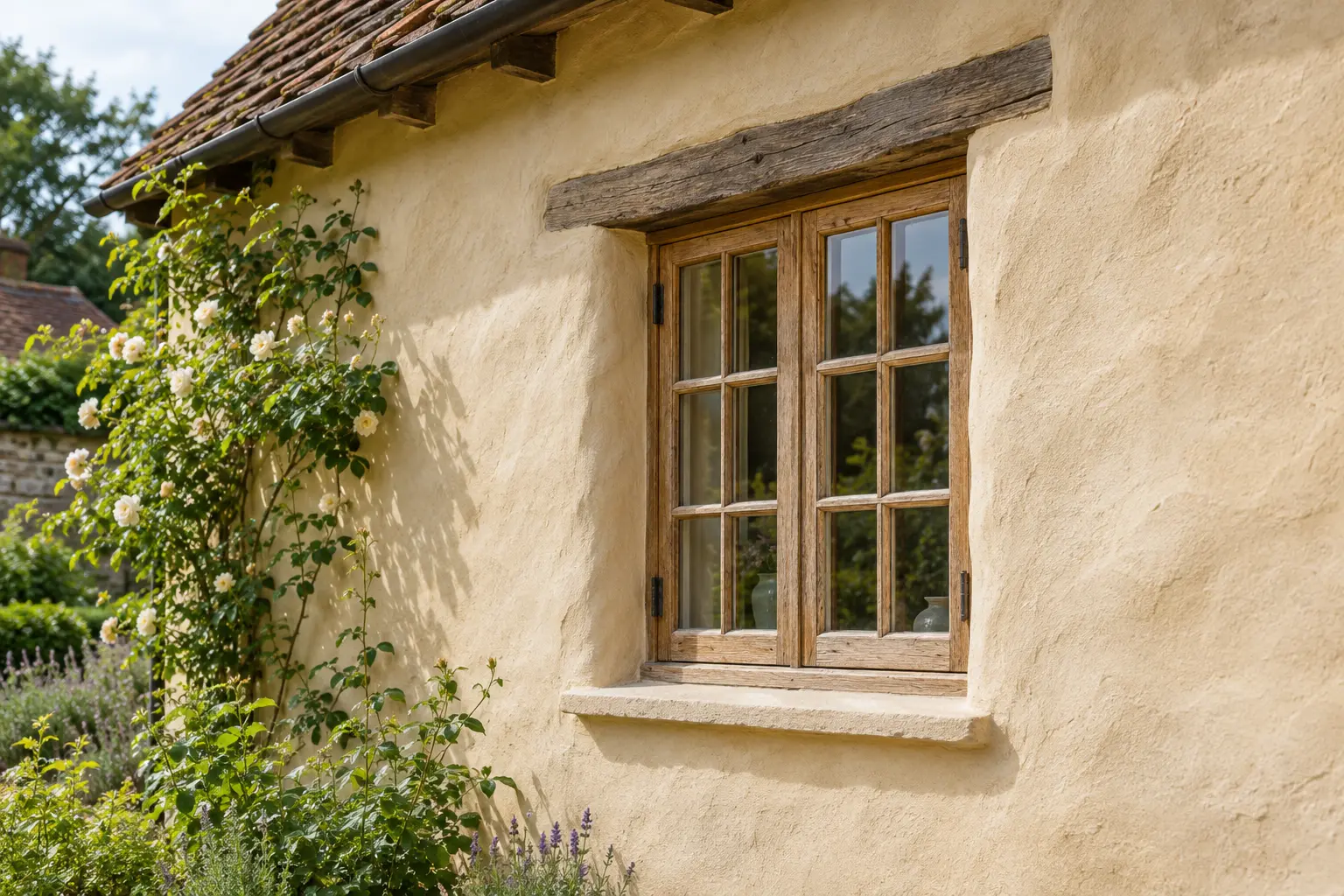
- Lime render
- For solid-walled and older buildings that need to let moisture out. See our lime work page for more.
What the work involves
- 1
Survey the wall
We check the background, any existing render, cracks and how water is running off the house, then recommend a render.
- 2
Prepare
Failed render is removed, surfaces are cleaned and primed, and beads and mesh are fixed around corners, openings and joints.
- 3
Apply the render
The chosen system is applied in the right number of coats and finished to the agreed texture.
- 4
Tidy and hand over
Scaffold or access is cleared, the site is cleaned, and we explain any aftercare.
Want a price for your rendering?
Photos and rough measurements are a great start.
Things to know
- Repair or replace?
- If most of the render is sound, repairs and a matching patch may be enough. Widespread hollow or cracked render normally needs to come off.
- Weather
- Render can’t be applied in frost, heavy rain or strong heat, so outside work is planned around the forecast.
- Render isn’t insulation
- Ordinary render is not a substitute for insulation and does not fix structural movement. External wall insulation (EWI) combines an insulation system with a render finish.
- What affects the price
- Wall area, height and access (scaffold), the amount of old render to remove, the system chosen and detailing around windows and doors.
- The finish is only part of the system
- A decorative render coat needs a compatible background and the specified base coat, reinforcement and primer. Details at the damp-proof course, sills, openings and joints are as important as the final colour. A new finish cannot correct a leak or ongoing structural movement.
Questions about rendering
It depends on the wall. Modern block often suits silicone or sand and cement; older solid walls usually need lime. We’ll recommend after looking.
Ask us about your projectSometimes, if the old render is well bonded. Hollow or cracked sections must be removed first.
Ask us about your projectFor most houses above ground floor, yes. Access is included in your quote.
Ask us about your projectSilicone render is usually a thin textured finish over a prepared base-coat system. Monocouche is a thicker through-coloured mineral render, commonly given a scraped texture. Both need a suitable background; the wall condition, detailing and desired finish determine which is appropriate.
Ask us about your projectWe can discuss the closest suitable match, but an aged elevation may differ from a new patch in colour and texture. Photos of the whole wall and close-ups help us assess whether a local repair or a larger area is the sensible approach.
Ask us about your projectGet in touch
Tell us about your job using the form, or call or email us. Photos, measurements or drawings help us give a more accurate price.
Quote for domestic rendering
Tell us what you need. We’ll get in touch to discuss your project.